Mauritius: 446 macaques illegally captured for laboratories and a silent massacre
In 2023, 446 macaques were snatched from the forests of Mauritius. Hammerhead International Ltd, the company responsible for the captures, acted without prior notice or authorisation. Seized by the Mauritian government, the animals appear to have been subjected to appalling conditions of captivity. Three years later, only 192 have survived, some of whom were mere infants at the time.
Faced with this ethical and sanitary disaster, One Voice is taking action alongside its long-standing partners Action for Primates, Progress Science Mauritius and Monkey Massacre in Mauritius. Together, we have written to the authorities, demanding answers and the immediate implementation of strict, verifiable safeguards to protect the survivors.
©Monkey Massacre in Mauritius
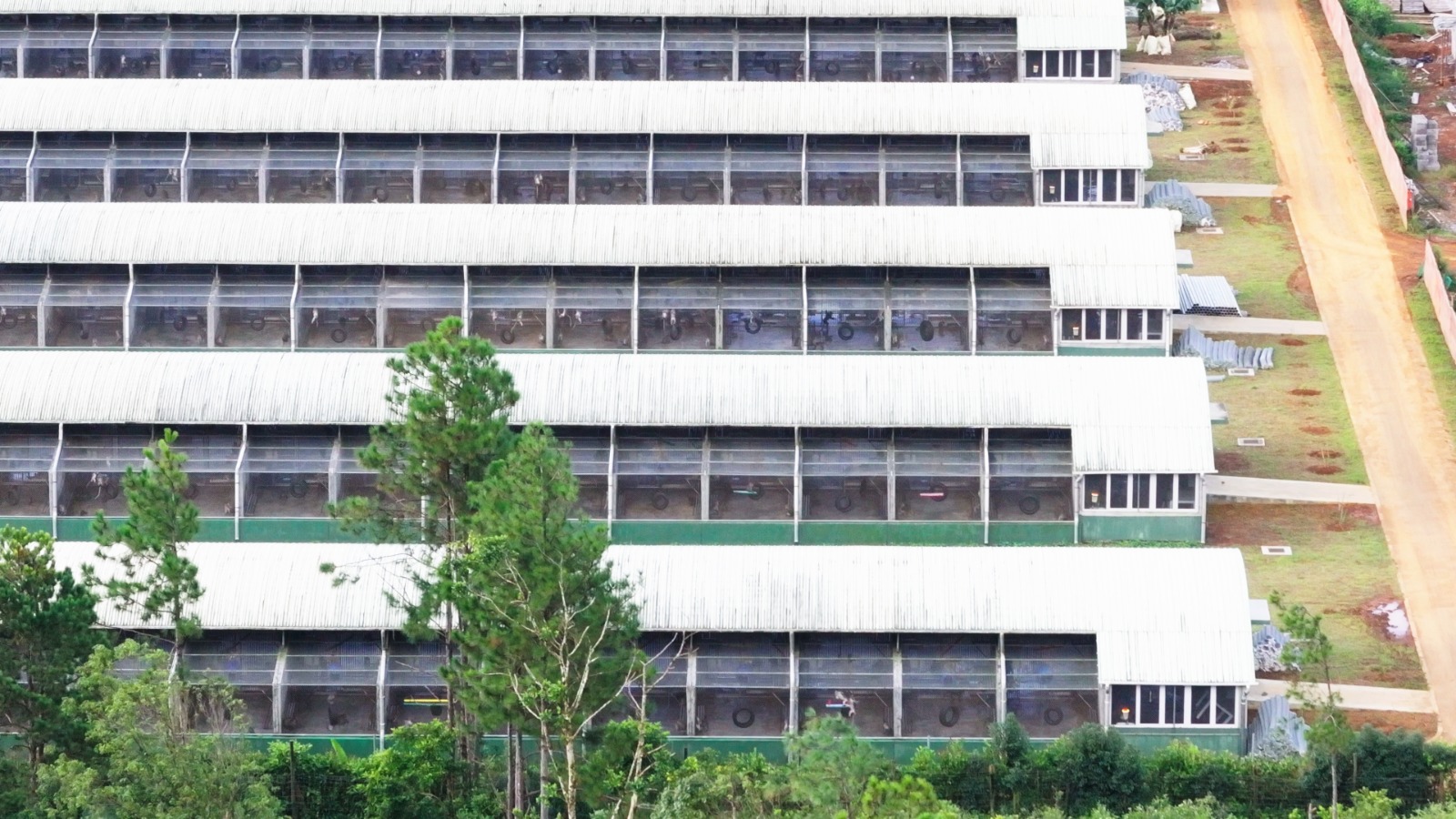
To further its plan to breed primates for foreign laboratories, the company Hammerhead International Ltd orchestrated the capture of 446 macaques in Mauritius in 2023. Among them, some were very young and still dependent on their mothers. So what! The animal experimentation industry acts with complete impunity, as their breeding operation had not even been officially authorised yet. Alerted to the situation, the authorities intervened to seize the animals and, pending the outcome of the investigation, transferred them to a breeding facility known for its exploitation of living creatures: Biosphère Trading Ltd. This facility is one of seven “primate factory farms” that ship more than 10,000 of these animals to laboratories in the United States, Canada and Europe, notably to France.
Our on-site investigations in 2023 have already documented overcrowded cages, repeated outbreaks of disease and mass culls.
192 survivors out of 446: so many lives wasted for nothing
Since their seizure and relocation, the statements from the authorities have sought to be reassuring. The truth only came to light in March 2026. In an official letter mentioning a visit by the institutional veterinary services in January 2026, the news broke: only 192 macaques had survived.
- 178 were killed after testing positive for tuberculosis, a consequence of trafficking and the conditions of their captivity.
- A further 73 died as a result of neglect: untreated injuries, trauma, diarrhoea.
In total, more than half of the captured animals perished. This catastrophic toll confirms the major health failures already identified in these “factory farms”, but also the direct responsibility of the authorities who approved their transfer to this facility, which had been denounced for such mistreatment since 2021.
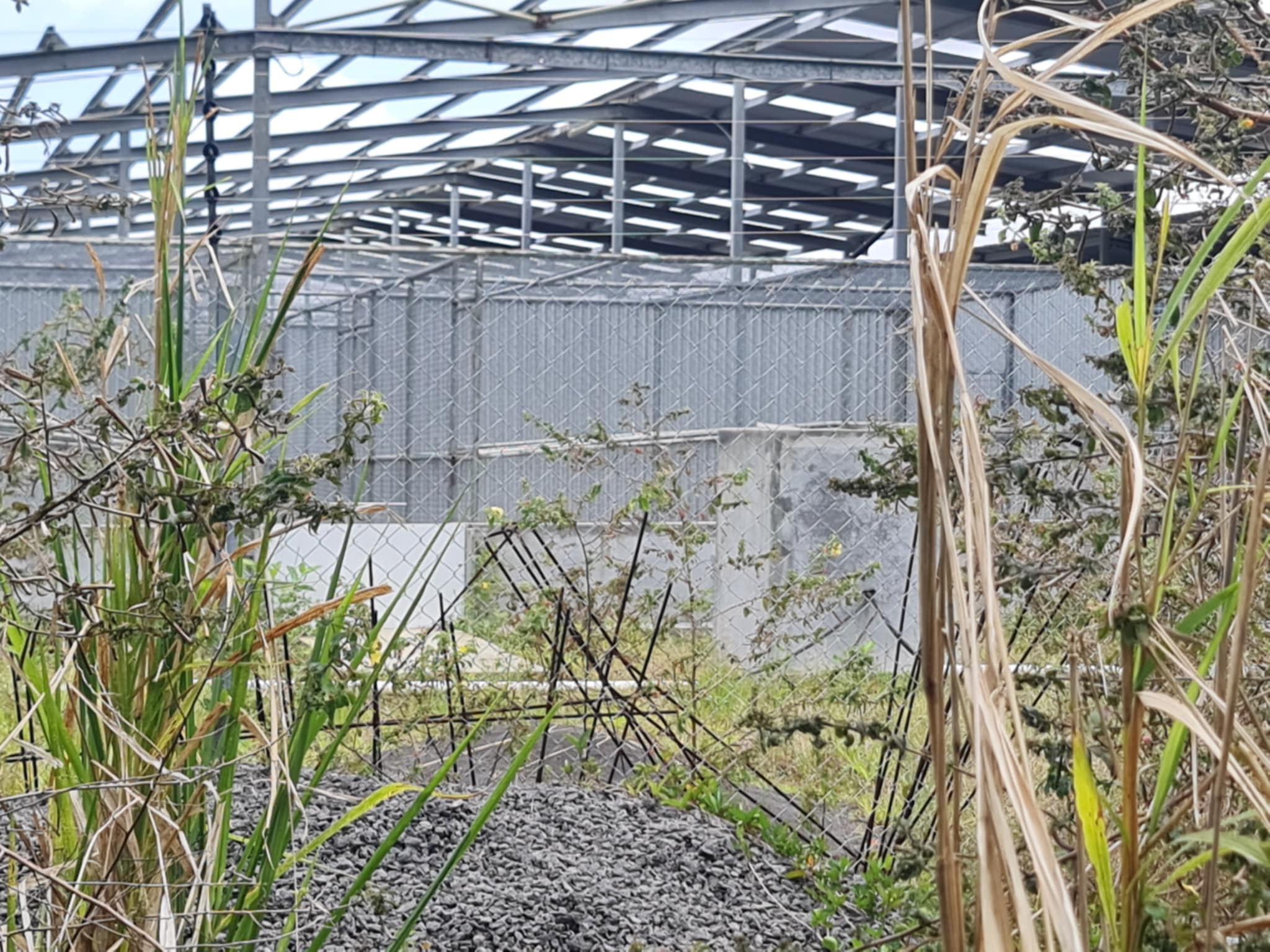
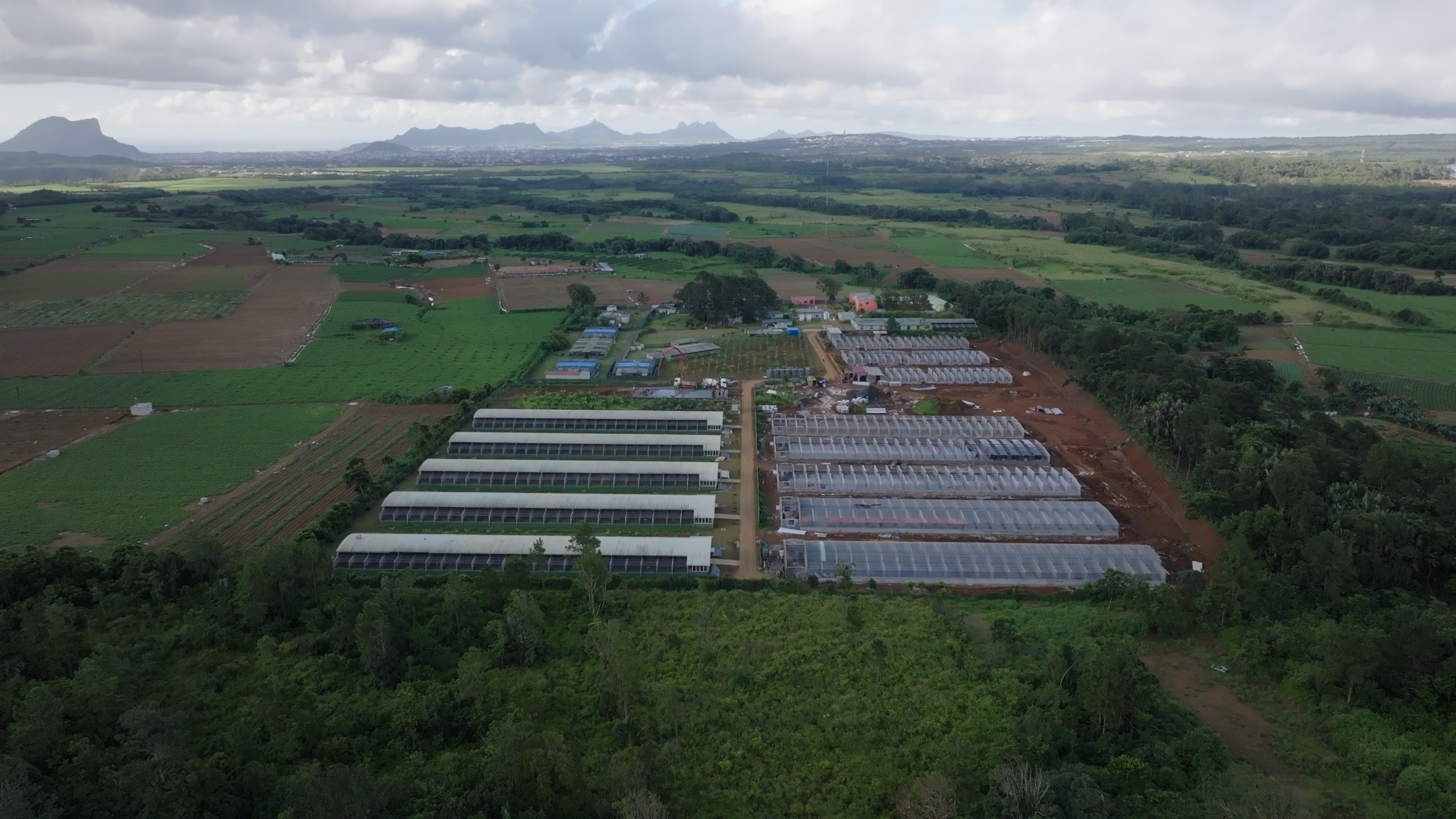
Hammerhead'site ©Monkey Massacre in Mauritius
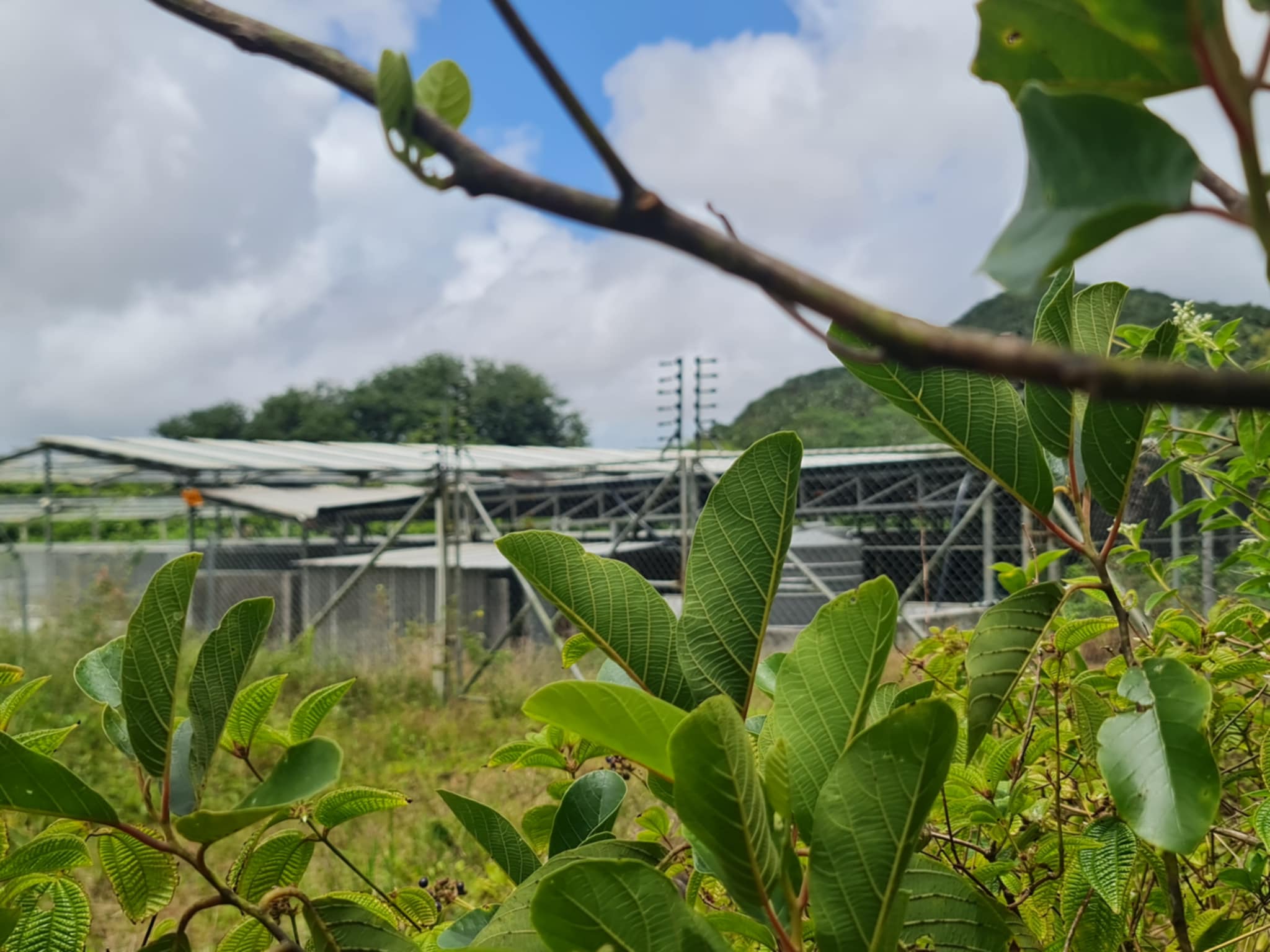
Hammerhead'site ©Monkey Massacre in Mauritius
Primates breeding centre of Biosphère ©Monkey Massacre in Mauritius
Primates breeding centre of Biosphère ©Monkey Massacre in Mauritius
Mauritius, a key hub in the global trade in macaques for experimentation
Classified as endangered on the IUCN Red List since 2022, long-tailed macaques nevertheless remain the most traded primates in the world for laboratory use. In this abhorrent trade, Mauritius occupies a strategic position: over 10,000 primates are reportedly exported every year, 100,000 over the last twenty years, notably to France, the United Kingdom and the United States. In France in 2024, 1,413 primates used in our laboratories came from this trade, representing 81% of the total number of primates for that year.
Primatology Centre in Rousset: a trade set to continue
The planned expansion of the Primatology Centre in Rousset will only serve to reinforce these dealings.
The CNRS thus plans to purchase, over a three-year period, 314 female and 32 male long-tailed macaques imported as “breeding stock”. This public procurement contract, approved in 2025, explicitly mentions animals of Mauritian origin. Their transport would be handled by Silabe, a hub for the primate trade for laboratories in France and Europe. And despite this so-called “resilience”, imports will also remain very high in parallel. This project will “supply” only 35 to 40% of the primates used in French laboratories each year – which is still nearly 1,200 individuals! For this, over 30 million euros of public money will be spent on these tortured lives.
Primatology Centre in Rousset: a trade set to continue
The planned expansion of the Primatology Centre in Rousset will only serve to reinforce these dealings.
The CNRS thus plans to purchase, over a three-year period, 314 female and 32 male long-tailed macaques imported as “breeding stock”. This public procurement contract, approved in 2025, explicitly mentions animals of Mauritian origin. Their transport would be handled by Silabe, a hub for the primate trade for laboratories in France and Europe. And despite this so-called “resilience”, imports will also remain very high in parallel. This project will “supply” only 35 to 40% of the primates used in French laboratories each year – which is still nearly 1,200 individuals! For this, over 30 million euros of public money will be spent on these tortured lives.