9 million animals sacrificed in 2023: the European transition at a standstill
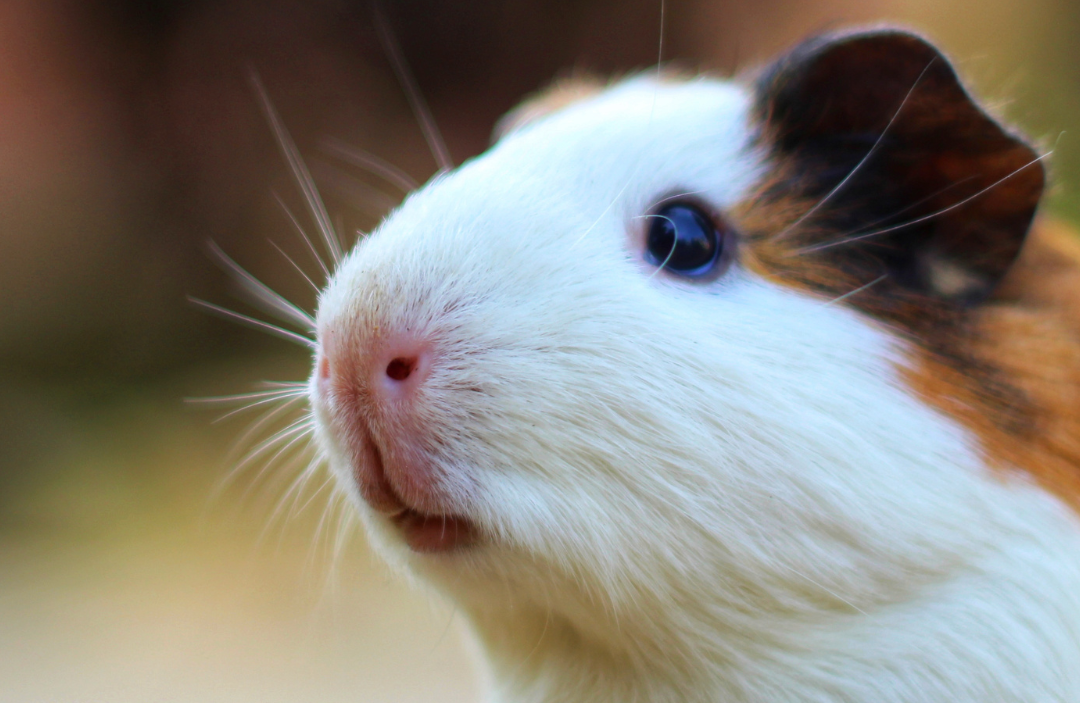
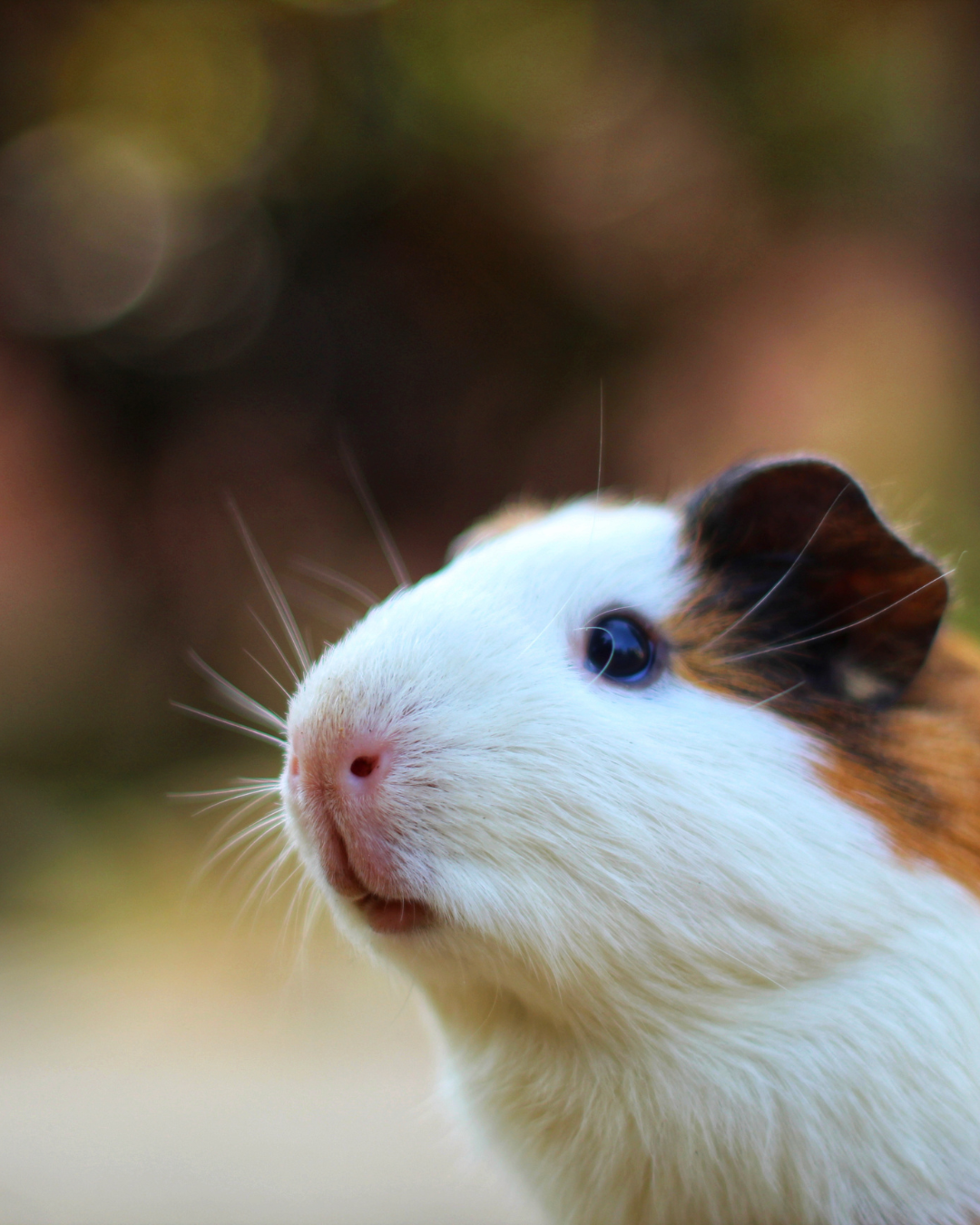
9,073,608. That is the number of animals killed in experiments across the European Union and Norway in 2023. A decline of barely 3 per cent – in other words, virtually nothing.
At a time when the public is massively calling for an end to these practices, when the European Commission is due to publish its roadmap for phasing them out, and when reliable alternative methods exist and are becoming widespread across the globe, this figure is not progress; it is an admission of failure: the failure of a system that refuses to change.
The 9.1 million animals used in experiments are beings that are confined, genetically modified and made ill to better serve obsolete protocols. Even more worrying is the fact that the tests, though avoidable and already replaced by reliable alternatives established by our partner Cruelty Free International, have increased by 10%.
Practices from a bygone era persist. The particularly cruel ascites method continues to be used to produce antibodies. France is now the last country in Europe to use this method: in 2023, 36,000 mice and guinea pigs were subjected to intense and unjustifiable suffering.
France, Europe’s champion of animal suffering
Unsurprisingly, France remains at the top of the list of European countries with over 2 million animals (2,046,754) used in its laboratories, accounting for a quarter of the European total. For over a decade, nothing has changed, and our country persists in pursuing archaic projects, as evidenced by the plan to invest €80 million of public money to expand the Rousset primatology centre, tripling the number of primates held there from 600 to 1,800. A headlong rush despite scientific doubts and public opposition.
Whilst Norway (1.6 million animals, +12%) and Germany (1.5 million) follow suit, France sets new records of shame, and stands out for the cruelty of the experiments carried out: 191,046 ‘severe’ procedures took place in 2023, accounting for more than a quarter of the European total. In French laboratories, 3,459 primates – 41% of the European total – were subjected to painful and traumatic experiments, even as their numbers fell by 23% overall in other Member States.
Millions of lives exploited, always the same
Invisible, interchangeable, mice are the primary victims of this industry which trivialises suffering, and they pay the heaviest price, with 3,593,561 individuals used in experiments in European and Norwegian laboratories, accounting for 44.5% of the total. In France, rabbits are particularly affected: they account for nearly half of the animals subjected to, in particular, toxicity tests that are long outdated. The ban in 2025 on pyrogenic tests should finally mark a decline in these practices.
Broken promises
Alongside our coalition Cruelty Free Europe, One Voice is sounding the alarm. Far from declining, animal testing could, on the contrary, increase within the European Union. At issue are the ongoing revisions of key texts: the REACH Regulation (Registration, Evaluation, Authorisation and Restriction of Chemicals) and the Cosmetics Regulation (Cosmetic Products Regulation – CPR). Behind these technical adjustments lies a worrying shift. The CPR, which is supposed to ban animal testing on cosmetics, has thus already been stripped of its substance. In practice, it is being circumvented. As soon as products fall under REACH, animal testing takes precedence, even if the ingredients are used solely in cosmetic products. Put simply, whilst the ban exists on paper, it is flouted in practice.
This backtracking betrays the commitments made by the European Union as well as the trust and determination of its citizens who are overwhelmingly in favour of science without animal suffering.
In the face of this potential betrayal, One Voice is calling for action around 24 April, International Laboratory Animal Day. National actions will take place around 25 April. Join us.
9 million animals sacrificed in 2023: the European transition at a standstill
In 2023, 9,073,608 animals were used in laboratories across Europe and Norway. The grinding machine continues