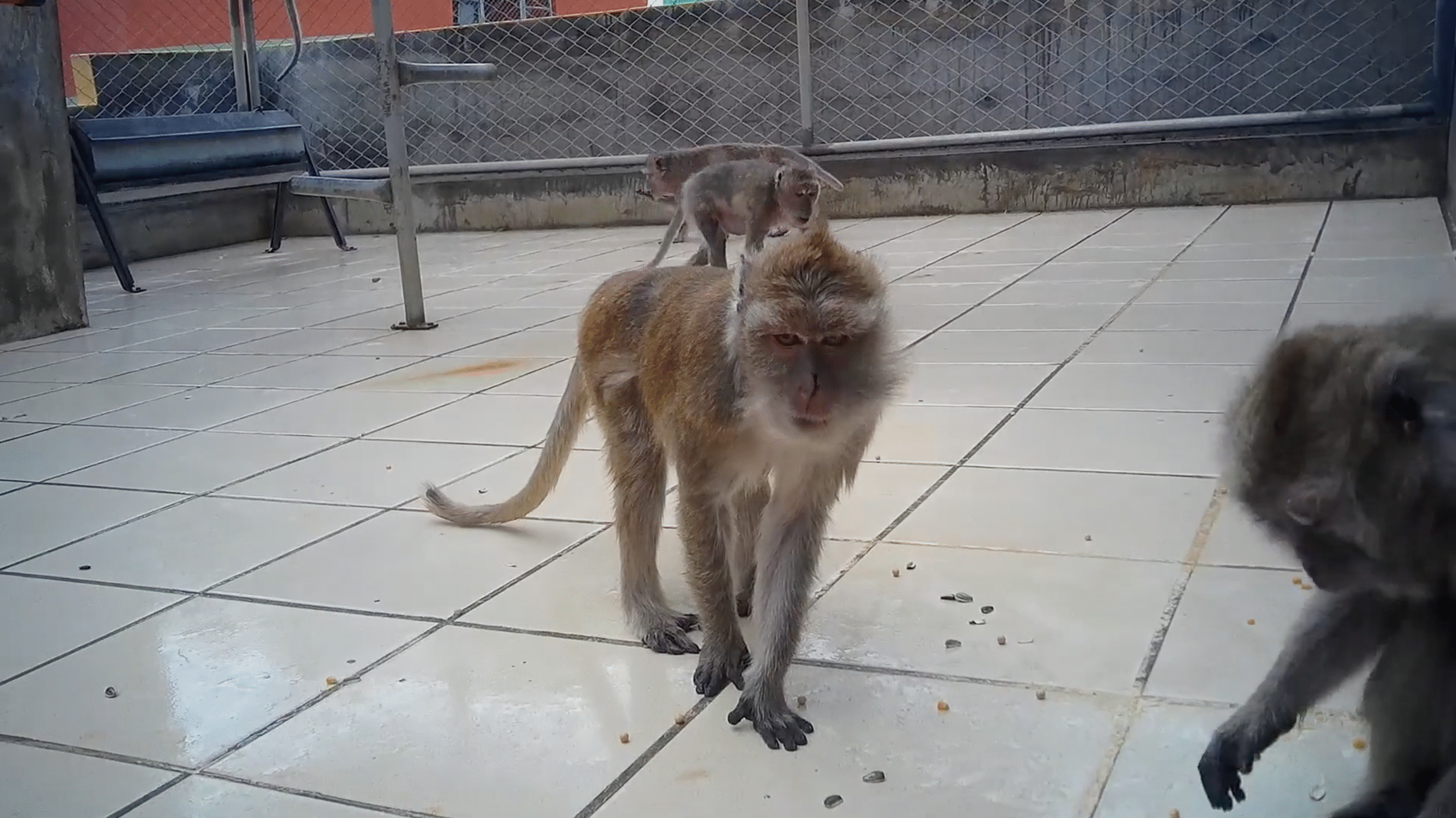
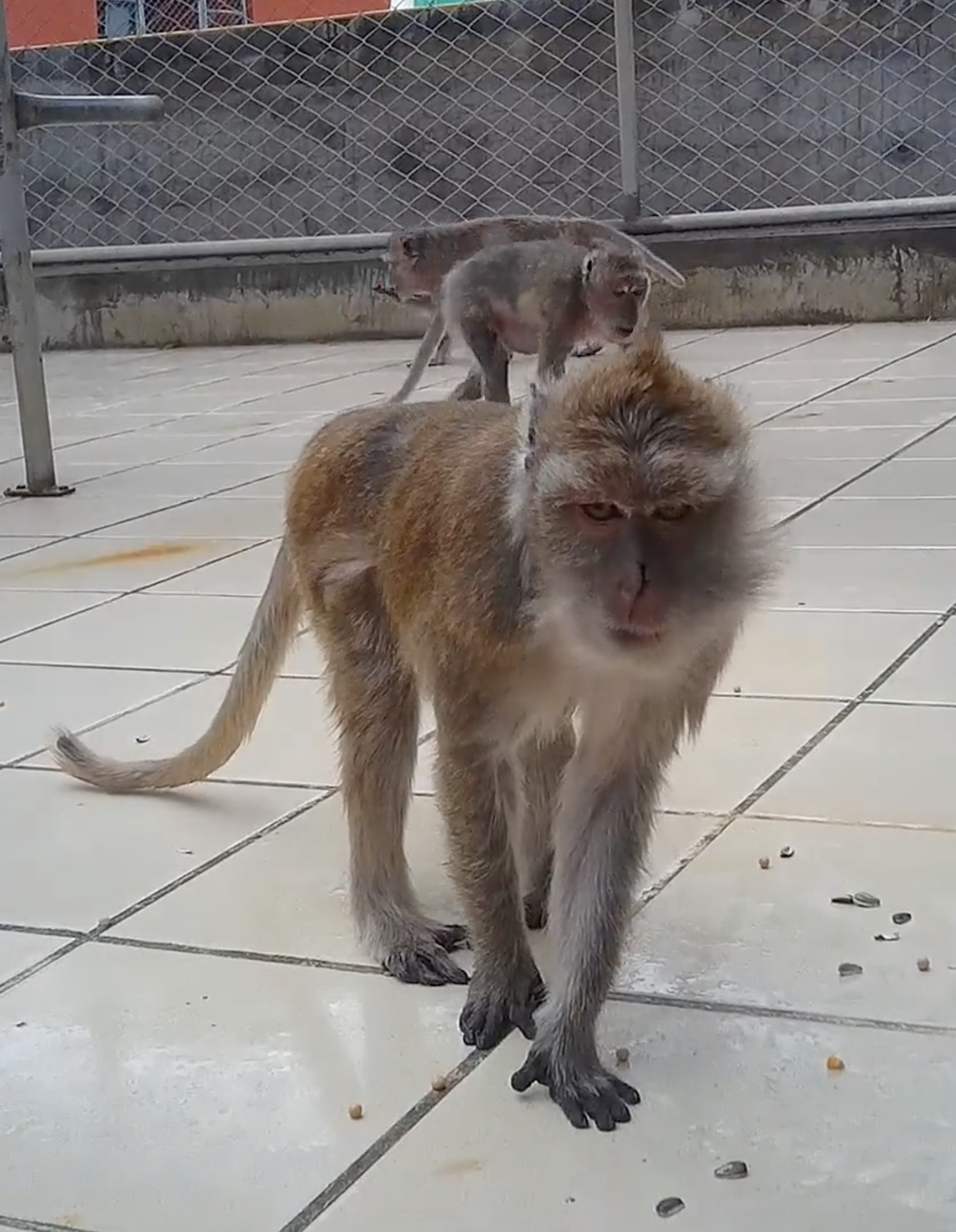
The Primatology Centre in Rousset: tripling the number of cages, ignoring warnings... The CNRS pushes ahead
French citizens say ‘no’. MEPs call on France to change course. Scientists themselves are expressing doubts and opposing views. Despite this widespread opposition and as a growing number of countries commit to phasing out animal experimentation, the CNRS remains stubborn and intends to spend €80 million of public money to expand the Primatology Centre in Rousset, tripling the number of primates destined for laboratories. This is a dogmatic choice that runs counter to history, animal rights and European guidelines. Faced with this denial of democracy, we are calling on the candidates for the municipal council in Rousset. They cannot remain silent.
The project’s supporters may well invoke ‘scientific sovereignty’, but their justifications remain flawed, and our arguments stubborn. The plan for the Primatology Centre in Rousset involves expanding the facility to raise 1,800 animals instead of the current 600, for the purpose of selling them to laboratories. In short, under the guise of ‘fundamental research’, the aim is to perpetuate an industry designed to produce and commercialise sentient beings, an industry built on the backs of primates.
Mobilised for months against this anachronistic project, we have alerted elected officials, the media and the public, revealing in particular the suffering of the primates locked up in the cages in Rousset, and their sad fate. Fragments of sacrificed lives emerge from documents obtained in court last November against the CNRS and the University of Aix-Marseille.
The protest has spread from ordinary citizens to MEPs. It has only grown over the months, with doubts about the relevance of this project even winning over scientists. On 27 January, the COMETS, an independent ethics committee, issued a reserved opinion, calling for a ‘scientific and contradictory expertise’. The guarantor of the National Commission for Public Debate (CNDP) also highlighted the scale of the opposition and recommended ongoing consultation and justification of the ethical issues at stake.
But who cares! In a 33-page document published recently, the CNRS dismisses the criticism and recommendations out of hand, presenting what is more like a reworked version of their arguments, glossing over their absurdities. We have analysed it, and here are some excerpts. On the menu: lies, approximations, contradictions and, once again, grey areas.
The reassuring goal of animal ‘welfare’: a facade
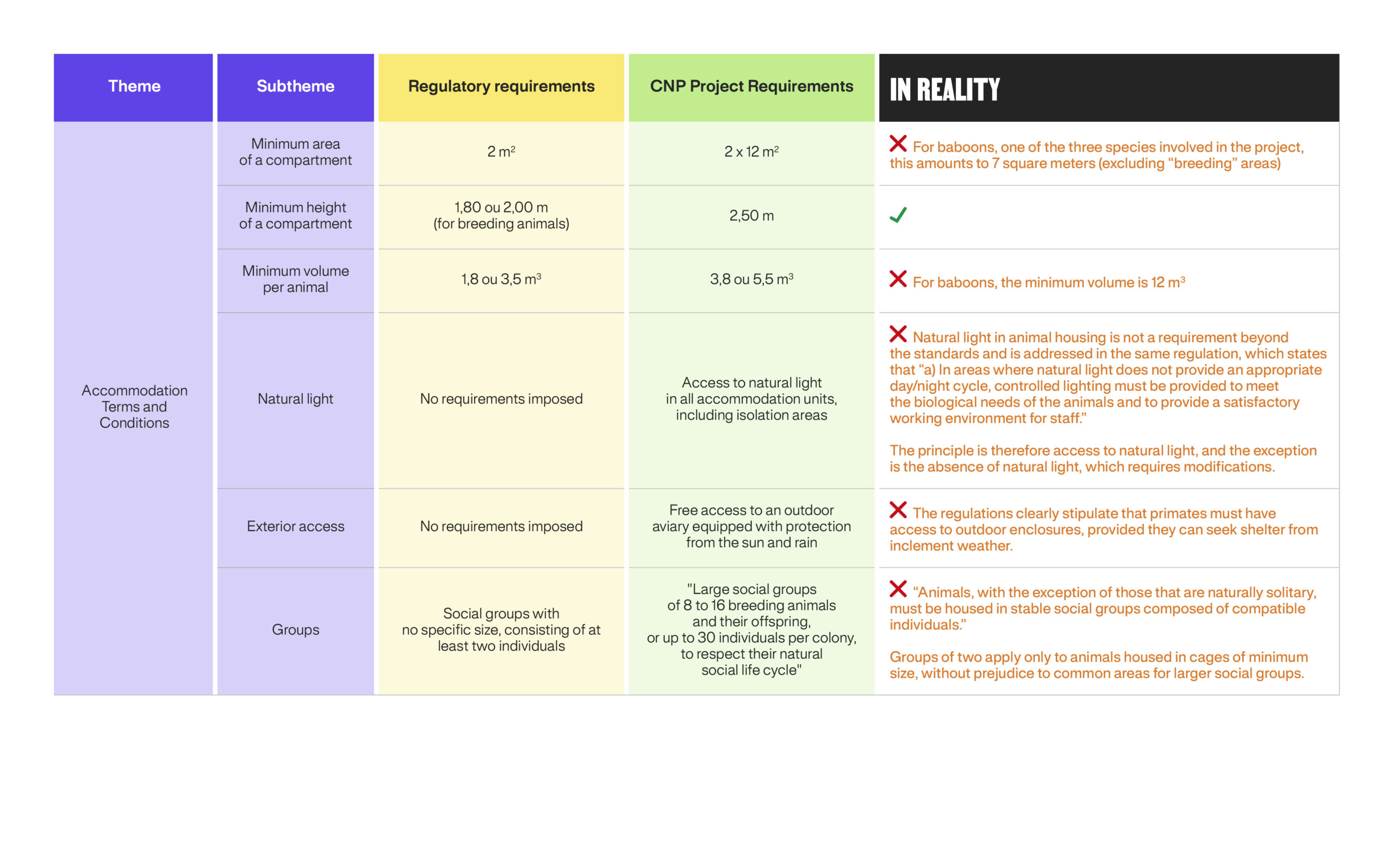
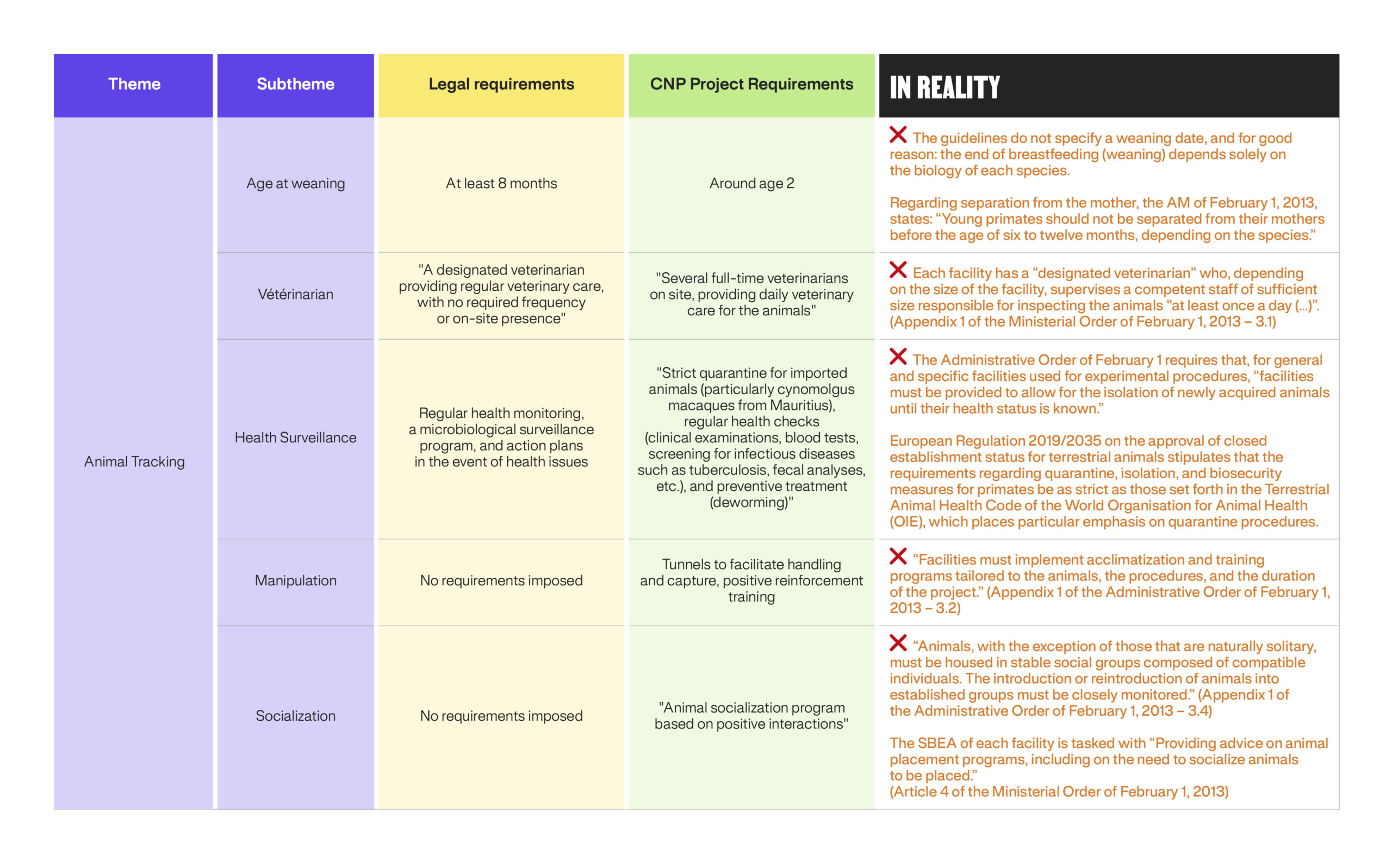
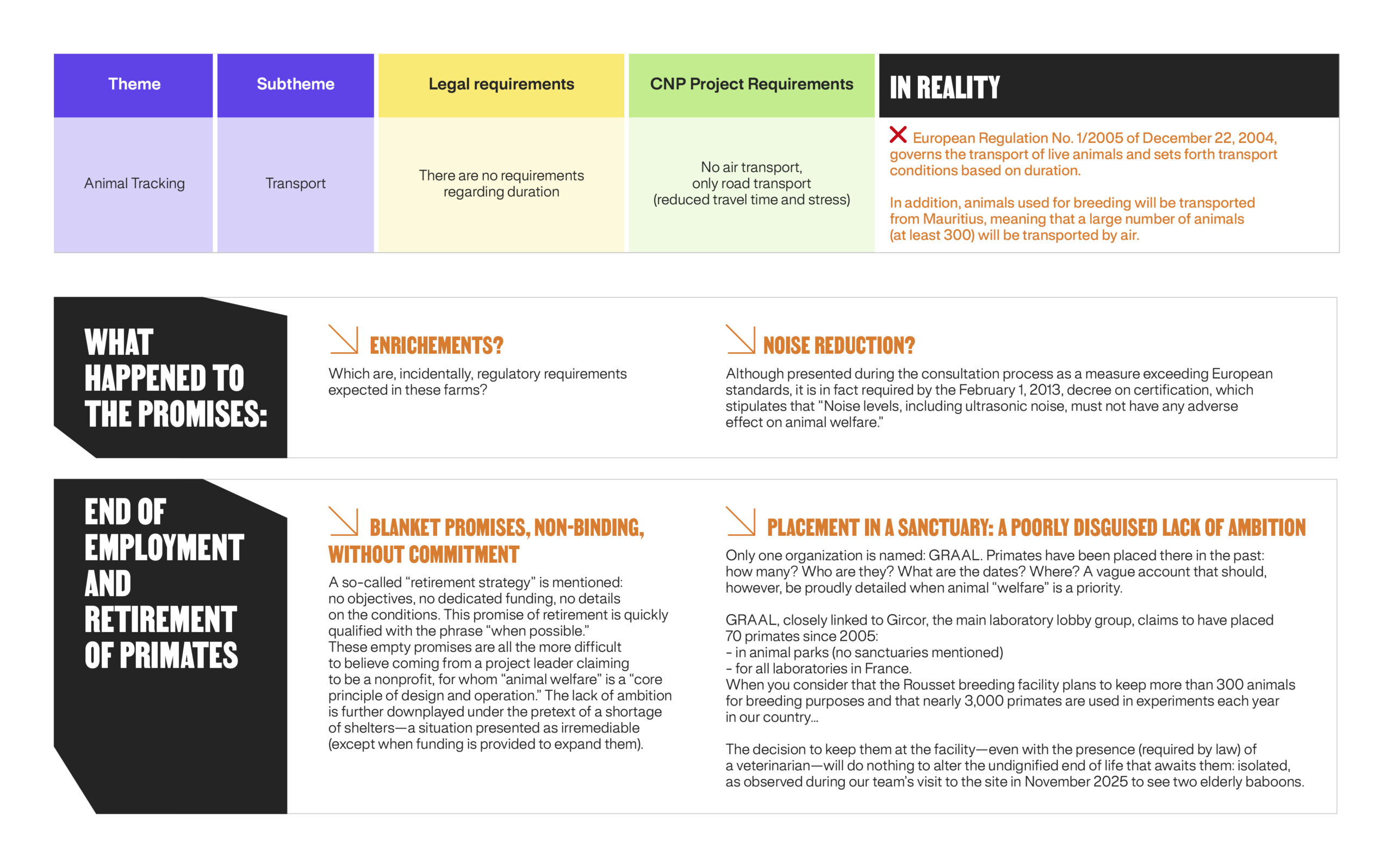
On the highly questioned and doubted subject of animal welfare, the project’s defenders claim to want to exceed the regulatory standards set by the ministerial decree of 1 February 2013. Natural light, cage size, outdoor access, health monitoring… Point by point, our analysis demonstrates the gap between this façade and the (regulatory) reality.
Based on these announcements, they even claim to be proposing a framework ‘that goes beyond simple biological requirements’.
How can a few square metres of concrete and wire mesh and kibble in a tube be better than forests and freedom?
S’appuyant sur ces annonces, ils estiment même proposer un cadre « qui dépasse les simples exigences biologiques ».
Comment quelques mètres carrés de béton grillagé et des croquettes dans un tube peuvent-ils valoir mieux que des forêts et la liberté ?
Le CNRS va jusqu’à oser prétendre que ce projet « devient ainsi un instrument de progrès, non seulement pour la science, mais aussi pour les standards de bientraitance animale ».
Débouchés économiques : des contradictions manifestes
Sur les débouchés économiques, le flou demeure. « Tout projet à visée commerciale est exclu », écrit le CNRS, tout en prévoyant un « accès limité aux acteurs privés ». Exclu ou limité ? La question se pose. Et quid alors des recherches qui expérimentent des traitements ? Seront-elles mises gratuitement à la disposition des patients ? On peut en douter.
Concertation : vous pouvez circulez !
Quant à la recommandation d’une concertation continue, elle est rejetée au motif qu’elle « prolongerait un débat de principe ». En clair, circulez, il n’y a rien à discuter.
Ce document censé répondre à la concertation initiée par le CNRS lui-même relève une fois encore de l’opération de communication plutôt que de la transparence et de la remise en question. Aucun engagement clair sur la nécessaire réduction de l’expérimentation sur les primates demandée par la directive européenne 2010/63/UE.
Face à cette mascarade, nous avons envoyé un courrier aux candidats de la mairie de Rousset. Il appartiendra au futur édile de délivrer ou non le permis de construire nécessaire à cette extension et d’en assumer les conséquences politiques. La presse locale a été informée de cette démarche.
Le combat reste long, chaque action compte. Nous ne cédons rien.
Partagez votre opposition à ce projet en signant notre pétition, et restez informé(e)s pour participer à la prochaine action nationale contre le projet prévue en avril prochain.