Eurasian lynx killed in Alsace: a lenient sentence but ecological damage recognised
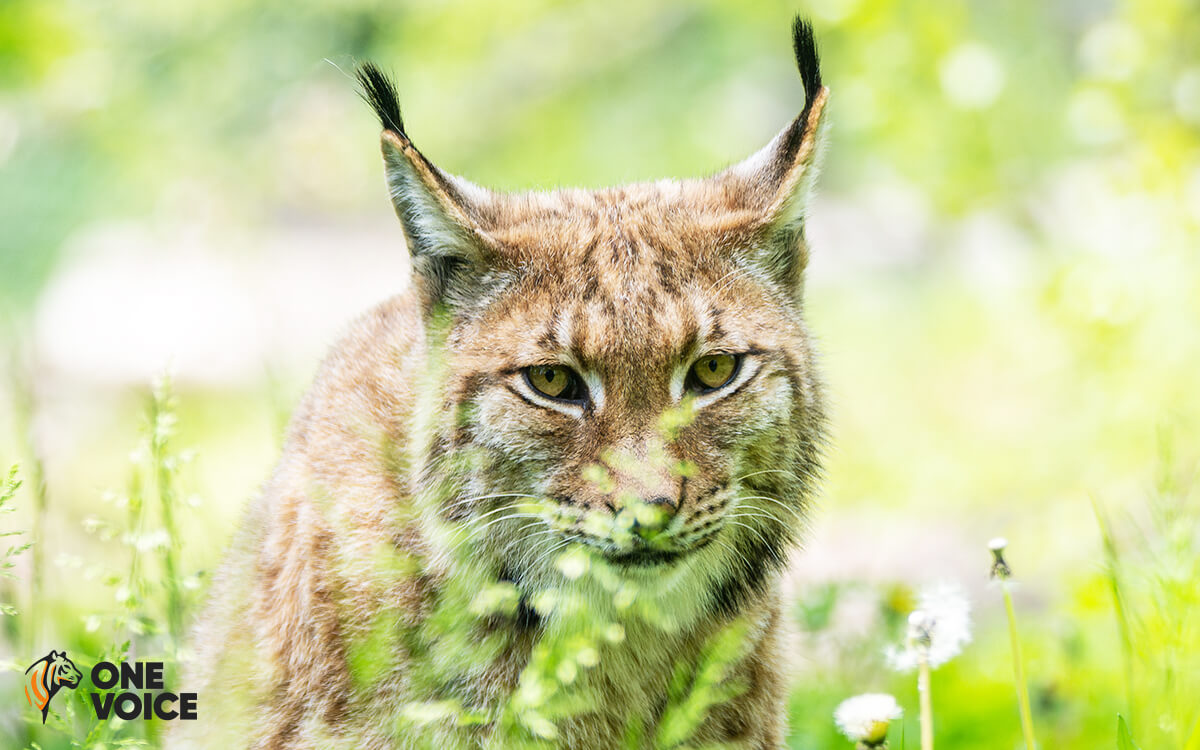
The woman who fatally struck a young boreal lynx with a spade in Niederbronn-les-Bains in October 2024 was sentenced on Wednesday 20 May 2026 by the Strasbourg Criminal Court to a three-month suspended prison sentence. The court also recognised the existence of ecological damage amounting to 25,000 euros to the Centre Athénas, in addition to the compensation awarded to One Voice and the wildlife centre.
The Strasbourg Criminal Court found the defendant guilty of fatally wounding a young Eurasian lynx with a spade in Niederbronn-les-Bains in October 2024. The defendant was given a three-month suspended prison sentence.
The court also awarded damages to the organisations acting as civil parties, including €25,000 for ecological damage to the Athénas Centre, as well as compensation for non-pecuniary damage and legal costs to One Voice, the Athénas Centre and the other organisations acting as civil parties.
For One Voice, this decision constitutes recognition of the harm caused to a strictly protected species, even if the sentence remains lenient given the seriousness of the offence.
An important ruling on ecological damage
Ecological damage legally recognises the harm caused to the environment, independently of any harm to the specific interests of individuals or organisations.
The 25,000 euros awarded to the Centre Athénas will help fund the care and conservation of lynx taken in by the centre.
Whilst no court ruling can undo the death of the young lynx, this sentence nevertheless serves as an important illustration of the legal recognition of harm caused to wildlife. Ecological harm is recognised on the grounds of damage caused to a species with fragile populations, such as the lynx. However, for One Voice, there is still some way to go before the law recognises the harm suffered by the animal itself as an individual, with a right to life and existence.
A lynx population that remains extremely vulnerable
The Eurasian lynx remains one of the most endangered mammals in France. Its population is currently estimated at around 150 adults across the whole of the country, mainly distributed in the Jura, with a few individuals present in the Alps.
The Vosges mountains remain particularly vulnerable. In 2025, only around ten lynx were detected and regularly monitored there, most of which originated from the reintroduction programme carried out in the German Palatinate region.
In this context, every death represents a considerable loss for the future of the species.
A case that highlights the difficulties of coexisting with wildlife
This incident also serves as a reminder of the need to raise public awareness of how to behave around wild animals.
The young lynx, spotted a few days before the tragedy in the centre of Niederbronn-les-Bains, appeared disoriented and had likely been prematurely separated from its mother. Its unusual presence in a residential area in no way justified such violence.
For One Voice, protecting large predators also involves fostering a culture of respectful coexistence with wildlife.
Eurasian lynx killed in Alsace: a lenient sentence but ecological damage recognised
Death of a young lynx in the Vosges: a lenient sentence but substantial damages awarded