The wretched lives of “hunting” dogs in the Jura

The wretched lives of « hunting » dogs in the Jura

The wretched lives of “hunting” dogs in the Jura
03.04.2020
Jura
The wretched lives of “hunting” dogs in the Jura
Domestic animals

This isn’t the first time we are highlighting the dismal living conditions of so-called « hunting » dogs. The bitter truth is that they suffer the same plight in most breeding farms. What we discovered in the middle of a woodland in the French region of the Jura is no exception. We carried out an investigation into the abuse that they have suffered, and are taking action on their behalf.

It is in the Jura where the barks of desperation of twenty-two « hunting » dogs set our alarm bells ringing. No one seemed to be concerned about their existence, and with good reason. Their enclosure is in the middle of woodland, hidden from view, two kilometres from the nearest village.

Twenty-two dogs suffering

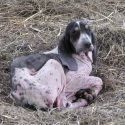
They live in squalid conditions. They are left to themselves, hidden away on a piece of land littered with debris and abandoned objects, with no shade and no protection from the wind. Crammed into thirteen open pens, they are confined in pairs all day long in these minuscule spaces. As for shelter, they only have an old leaky wooden kennel that does not protect them from the heat nor from low temperatures that drop to almost -20°C in winter. Without any space to play, they are constantly going around in circles among their excrement in pens that have not been cleaned for days. They live on concreted ground, with neither drainage nor litter. Carcasses close by leave one to imagine that they are fed with what is left over from the hunt. Their « dog bowls » consist of old buckets containing green stagnant water, undoubtedly replenished by rainwater.

Some dogs are sick and must be in real agony. Given their conditions, they have probably not received veterinary care for months. We showed our images to an independent veterinarian for an expert opinion. One of the dogs has a sunken right eye, and one of the females has a very large mammary growth that is probably cancerous. Not content with exploiting the dogs for hunting, it is highly likely that the owner is breeding them too since the female has been shut in with a male.

A longstanding situation

Despite having been alerted for eight years now, the county veterinary services are not acting. When contacted again in recent weeks, the local authority did not wish to take action, which is telling of how little value is placed on the lives of these animals. We could not wait any longer. We filed proceedings against the owner demanding the removal of all the dogs.

The fate of these « forgotten » dogs

The case of these dogs in the Jura, the latest to date, is far from an isolated one. We previously told you about the dogs of the hunter in the Perigord – we’re still campaigning about them – and also those of the hunter in the Morbihan. As for the authorities, they continue to repeat the same refrain that these are “just” hunting dogs.

Given how protected hunters are, it is not surprising that they can continue to treat these dogs as objects without being bothered in the slightest. « Hunting » dogs must have the same protection as our faithful four-pawed companions. « Hunting » dogs too are highly sensitive and loving, and need care and attention. Although we are still a way off, we are fighting for them.

We have just submitted our proceedings on their behalf.

Translated from the French by Mahersh Shah

Letter from Ingrid Visser and specialists to ambassadors about the ban on Wildlife Imports in China; potential vector Orcinus orca

Letter from Ingrid Visser and specialists to ambassadors about the ban on Wildlife Imports in China; potential vector Orcinus orca

Letter from Ingrid Visser and specialists to ambassadors about the ban on Wildlife Imports in China; potential vector Orcinus orca
22.03.2020
International
Letter from Ingrid Visser and specialists to ambassadors about the ban on Wildlife Imports in China; potential vector Orcinus orca
Exploitation for shows

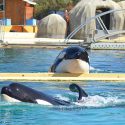
In support of the campaign of One Voice, the biologist Ingrid Visser and a group of experts call on ambassadors to plead the cause of captive orcas in France so that they are not sent there, because of the presence of coronavirus.

The Honourable Lu Shaye
Ambassador
Embassy of the People’s Republic of China
20 Rue Monsieur,
75007 Paris
France
chinaemb_fr@mfa.gov.cn 

The Honourable Laurent Bili
Ambassador
Embassy of the Republic of France
Faguo Zhuhua Dashiguan 60 Tianze Lu
100600 Beijing
People’s Republic of China
presse@ambafrance-cn.org

The Honourable Cui Tiankai
Ambassador
Embassy of the People’s Republic of China
3505 International Place, N.W. Washington, D.C. 20008
United States of America
chinaembpress_us@mfa.gov.cn

The Honourable Terry Branstad Ambassador
Embassy of the United States 
No. 55 An Jia Lou Lu
100600 Beijing
People’s Republic of China
Agbeijing@fas.usda.gov office.beijing@trade.gov


Re: Ban on Wildlife Imports in China; potential vector Orcinus orca

Dear Ambassadors,

I am writing on behalf of the undersigned scientists and veterinarians and organisations. We have been carefully following the outbreak of the novel coronavirus (2019-nCoV, now designated as SARS-CoV-2), which appears to have originated in Wuhan City, Hubei Province, China. We are aware of the wildlife import ban currently being implemented in China (1), in an attempt to prevent further outbreaks of similar pathogens and we welcome this decision.

This letter focuses on orca (Orcinus orca, also known as killer whales); however, we also wish to draw your attention to the fact that so far two species of cetaceans (whales, dolphins and porpoises) have been identified as carrying coronaviruses. One was identified in a 13-year-old captive-born beluga whale (Delphinapterus leucas) (believed to be born at SeaWorld, USA) and the coronavirus was implicated in the cause of death (COD). This beluga exhibited “generalized pulmonary disease and terminal acute liver failure. … The virus (SW1) was a novel, highly divergent coronavirus most similar overall to group 3 coronaviruses” (2). The authors concluded “… the identification of a previously unrecognized virus in a captive animal underscores the vast diversity of viruses that remains unexplored in animals. These viruses have the potential to be transmitted to humans or other animals, with significant implications for human and animal health.”

Another coronavirus, ‘Cetacean coronavirus’ (also known as CoV (BdCoV) HKU22), was isolated from the faecal samples of three captive Indo-Pacific bottlenose dolphins (Tursiops aduncus) (held at
Ocean Park, Hong Kong) and the findings of that study indicated that this conroavirus was associated with acute infections and that “viral clearance was associated with a specific adaptive antibody response when the bottlenose dolphins recovered from the infections … none of the three bottlenose dolphins positive for BdCoV HKU22 developed any notable symptoms” (3). The latter is of concern in that dolphins who may appear ‘healthy’ can still be infected with coronavirus.

We are reaching out to you as there have been recent reports regarding the import of five captive orca into China (4) (from France and from the USA), as well as recent attempts to bring wild-caught orca into China from Russia (5).

Orca harbour a range of pathogens. For example, one captive orca held in the USA has been described as having a ‘normal loading’ of pathogens, yet she had more than 40 potentially pathogenic organisms isolated from her tissues, exhalations and excrement. At least four were reported as ‘drug resistant’ and some are also found in humans (6).

Generally, pathogens found in captive orca have not been reported in any detail other than vague descriptions such as ‘bacteria’ or ‘respiratory related’ diseases. For example, an adult male orca captured off the coast of Iceland and subsequently held for decades at SeaWorld (Florida, USA), died in Jan 2019 after years of treatment. He was reported to have had a drug-resistant bacterial respiratory infection (7).

For the past 25 years, facilities holding orca have refused to release necropsy (animal autopsy) reports (8) or simply released vague descriptions of the COD, despite the fact that, among other benefits, necropsy details could provide vital information for identifying zoonotic diseases (i.e., diseases that are transmissible from animals to humans). Scientists and veterinarians believe captive wildlife necropsy information is of great importance (9). Several professionals seeking orca necropsy information have filed a court case in the USA (10)  in an attempt to access necropsy reports for several recently deceased animals.

In light of the 2003 outbreak of severe acute respiratory system syndrome (SARS) and the 2012 outbreak of Middle East respiratory syndrome (MERS-CoV) and now the SARS-CoV-2 outbreak – each of which are respiratory diseases in humans believed to be zoonotic – health officials and the authorities should be alert to the potential risks associated with displaying/contact with, not only small wildlife species found at trade markets, but also larger species such as orca used in public entertainment.

To illustrate our concerns, at least 40 captive orca have died from respiratory related diseases and the three most recent orca deaths have been reported as:

  • Kasatka (died August 2017, after years of unsuccessful treatment); COD respiratory infection (11) (see attached photographs of this individual);
  • Tilikum (died Jan 2019, after years of unsuccessful treatment); COD bacterial respiratory infection;
  • Kyara (died July 2017, after living only 3 months); COD lung disease.

In the very few cases where the pathogen that is associated with the respiratory infection is identified publicly, the microorganism was
also known to infect humans:

  • Unnamed female orca (died October 2003, captured in Russian waters and survived only 13 days); COD bacterium Pseudomonas aeruginosa (12) ;
  • Haida (died 1982, after 1.5 decades in captivity); COD lung infection from bacteria Staphylococcal sp. (13).;
  • Unnamed female orca (died August 1971, after 20 months in captivity); COD salmonellosis (14).


Furthermore, at least two CODs in captive orca have been identified as mosquito-transmitted diseases that have also been recorded in humans (15). Two orca trainers, who have since left the captivity industry, describe the situation eloquently when they write in their peer-reviewed scientific article:

«Although unreported in wild orca populations, mosquito-transmitted diseases have killed at least two captive orcas (Orcinus orca) in U.S. theme parks. St. Louis Encephalitis Virus (SLEV) was implicated in the 1990 death of the male orca Kanduke, held at SeaWorld of Florida. In the second case, West Nile Virus (WNV) killed male orca Taku at SeaWorld of Texas in 2007. Captive environments increase vulnerability to mosquito transmitted diseases in a variety of ways. Unlike their wild counterparts who are rarely stationary, captive orcas typically spend hours each day (mostly at night) floating motionless (logging) during which time biting mosquitoes access their exposed dorsal surfaces. Mosquitoes are attracted to exhaled carbon dioxide, heat and dark surfaces, all of which are present during logging behavior. Further, captive orcas are often housed in geographic locations receiving high ultraviolet radiation, which acts as an immunosuppressant. Unfortunately, many of these facilities offer the animals little shade protection. Additionally, many captive orcas have broken, ground and bored teeth through which bacteria may enter the bloodstream, thus further compromising their ability to fight various pathogens. Given the often compromised health of captive orcas, and given that mosquito-transmitted viral outbreaks are likely to occur in the future, mosquito-transmitted diseases such as SLEV and WNV remain persistent health risks for captive orcas held in the U.S.»

Both SLEV and WNV are diseases to which humans are susceptible and there are no vaccines to prevent, or medications to treat, either virus in people (or animals).

Diseases of concern are not only respiratory in nature, as these two examples show:

  • K’yosha (died Jan 1992, after living only 5 months); COD brain infection;
  • Haida II (died Aug 2001, after 19 years in captivity); COD brain abscess, fungal infection.

It is already established that orca in captivity are chronically stressed and many, if not all, are immuno-compromised (16). It has been noted that “perfect conditions for new viruses to emerge” develop at the ‘wet’ markets in China where animals are traded and where they are also “massively stressed and immune-compromised” (17).

Seventy percent of zoonotic diseases identified so far come from wildlife (18) and as such these CODs serve as warnings for all forms of wildlife contact and zoonotic diseases. Therefore, our concerns extend to include the orca already in China, not only any potentially imported orca, because these animals are, or will be, on public display in front of large stadium audiences.

We emphasise that the typical show format (including the existing one in China) includes the orca using their tails to splash the audience with very large volumes of water from the tank (see attached photos from various days and years to illustrate this is a regular occurrence). It should be noted that this is the same water where the orca defecate and urinate and it is the same water that circulates with the ‘off show’ tanks – where in China we have documented dead fish decomposing in the water on the tank floors (see photos attached). Microbes identified in orca faeces have been shown to be resistant to drugs (erythromycin, ampicillin, tetracycline, and chloramphenicol proved to be ineffective against the cultured bacteria) (19). Recently Chinese scientists have found traces of SARS-CoV-2 in the faeces of some human infected patients, possibly indicating an additional mode of transmission (20).

Additionally, orca, particularly after high-energy exercises such as breaching (where the orca ‘jump’ completely out of the water– a trick commonly seen in display shows at theme parks), exhale with force and their breath is known to contain a wide range of pathogens (see the appended Table, where 15 potential and known pathogens were identified from free-ranging orca exhalations) (21).

The health hazards for such encounters are already obvious but in addition to these, the orca who are to be imported from France and the USA have severe dental damage (22) (also see appended images), resulting in infections and purulent discharge. Body fluids from these conditions will also enter the water. To further illustrate our concerns, we provide several images (again appended to this letter) from two orca who are held in the USA (one in California and one in Florida), showing some of the issues that manifest themselves in orca, despite “world class veterinary care”.

Given the SARS-CoV-2 outbreak, we believe that the alert levels and quarantine status should be raised for this type of show. We note that Shangdong Province has appropriately implemented a ban on all imports of aquatic animals (including ‘controlling’ breeding). There is a ban on visiting aquariums and these facilities are closed and all exhibitions and activities related to aquatic wildlife have been stopped (23).

China (as of 2019) holds more captive cetaceans than any other country (23% of the world’s captive cetaceans), followed by Japan (16%) (24). Within China there are an estimated 1,000 individual cetaceans from at least 13 species (25). Although we recognise that there has been no recorded zoonotic transmission of coronavirus from cetaceans to humans, there have been examples of transmission from small mammals (e.g., masked palm civets and bats in the case of SARS) (26) and larger mammals (e.g., camels in the case of MERS) (27) to humans. It is well recognised that many species of animals function as ‘reservoirs’ of infectious diseases like coronaviruses and that outbreaks of such diseases are expected to continue in both marine mammals and humans.

Using a precautionary framework, we strongly urge you to pass this information along to the appropriate authorities in China and to request that orca (and other cetaceans) be added to the permanent ban on wildlife imports in China. We also ask that the Shangdong Province implementation of banning shows and closing aquariums is considered as a nation-wide option, with due regard for the provision of adequate welfare of the animals currently held in captivity.

Respectfully,

Ingrid N. Visser, PhD 

Cetacean Scientist
Orca Research Trust
New Zealand

On behalf of (listed alphabetically):

Gitte Andersen, DVM
Veterinarian & Owner
Park Animal Hospital Mississauga,
Canada

Monica K. H. Bando, BS MS BVSc PhD
Wildlife Veterinarian
Board, Global Animal Welfare

Maddalena Bearzi, PhD
President
Ocean Conservation Society
USA

Jean-Michel Cousteau Environmentalist/Educator/Film Producer
Founder
Ocean Futures Society
USA

Chris Draper, PhD
Head of Animal Welfare & Captivity
Born Free Foundation
United Kingdom

Silvia Frey, PhD
Marine Conservation Biologist
KYMA Sea Conservation & Research
Switzerland

Toni Frohoff, PhD
Wildlife Behavioral Biologist
TerraMar Research
USA

Deborah Giles, PhD
Science and Research Director
Wild Orca
USA

Julie Herbert, DVM,
ABVP Veterinarian (Head of Exotic Animals)
Laval Emergency Animal Hospital,
Laval Canada

Sophie Hebert-Saulnier, DVM
Exotic Animal and Wildlife Veterinarian
Avian & Exotic Animal Hospital,
Montreal Canada

Erich Hoyt,
Research Fellow
Whale and Dolphin Conservation
United Kingdom

Samuel Hung, PhD
Dolphin Biologist
Hong Kong Dolphin Conservation Society
Hong Kong

Mark Jones, BVSc MSc (Stir) MSc (UL) MRCVS, Veterinarian & Head of Policy
Born Free Foundation
United Kingdom

Rob Laidlaw, CBiol and MRSB
Founder & CEO
Zoocheck
Canada

Heather Rally, DVM
Wildlife Veterinarian
Captive Animal Law Enforcement
PETA Foundation,
USA

Naomi A. Rose, PhD
Marine Mammal Scientist
Animal Welfare Institute
USA

Christelle Roy-Corbin, DVM,
MSc Exotic Animal and Wildlife Veterinarian
Avian & Exotic Animal Hospital,
Montreal Canada

Jan Schmidt-Burbach, DVM, PhD
Head of Wildlife Research and Animal Welfare World Animal Protection
Germany / Thailand

Thomas I. White, PhD
Ethicist
Oxford Centre for Animal Ethics
United Kingdom

Lindy Weilgart, PhD
Cetacean Biologist
Dalhousie University
Canada

Photo taken 20181217, © Ingrid N. VisserPhoto taken 20181217, © Ingrid N. Visser

Notes

1. https://web.archive.org/web/20…

2. Mihindukulasuriya, K. A., Wu, G., St. Leger, J., Nordhausen, R. W. and Wang, D. 2008. “Identification of a novel coronavirus from a beluga whale by using a panviral microarray.” Journal of Virology 82: 5084–5088, http://dx.doi.org/10.1128 /JVI.02722-07.

3. Woo, P. C. Y., Lau, S. K. P., Lam, C. S. F., Tsang, A. K. L., Hui, S. W., Fan, R. Y.Y., Martelli, P. and Yuen, K. Y. (2014).
« Discovery of a novel bottlenose dolphin coronavirus reveals a distinct species of marine mammal coronavirus in Gammacoronavirus. » Journal of Virology 88 (2): 1318-1331.

4. https://one-voice.fr/en/news/s…

5. https://www.nationalgeographic…

6. See the Court-released report from Dr Ingrid N. Visser, regarding a captive orca held at Miami Seaquarium, which refers to a number of drug-resistant pathogens (the ‘super bugs’ Staphylococcus aureus (MRSA) (Methicillin-resistant
S. aureus), Staphylococcus sp. (CoNS Coagulase-negative) Escherichia coli Sp#2 (Resistant). Case 1:15-cv-22692-UU, Florida Southern District Docket, 2016. Additionally, a number of recent orca deaths at SeaWorld have been linked to drug-resistant pathogens; e.g. see the female orca Unna https://slate.com/news-and-politics/2015/12/unna-killer- whale-died-at-seaworld-san-antonio-this-week/

7. https://www.thedodo.com/seawor…

8. See news article regarding SeaWorld not releasing the necropsy report of the orca who featured in the documentary ‘Blackfish’ https://web.archive.org/web/20…

9. Rally, H. D., Baur, D. C. and McFeeley, M. (2018). “Looking behind the Curtain: Achieving Disclosure of Medical and Scientific Information for Cetaceans in Captivity through Voluntary Compliance and Federal Enforcement.” Animal Law. Lewis & Clark Law School. 24: 303.

10. https://web.archive.org/web/20…

11. https://web.archive.org/save/h…

12. Rozanova, E. I., Alekseev, A. Y., Abramov, A. V., Rassadkin, Y. N. and Shestopalov, A. M. (2007). « Death of the killer whale Orsinus [sic] orca from bacterial pneumonia in 2003. » Russian Journal of Marine Biology 33(5): 321-323.

13. Kielty, J. (2011). Marine Mammal Inventory Report (Deficiencies). St Pete Beach, Florida, USA, The Orca Project Corp (unpublished report, available from https://theorcaproject.wordpress.com/2011/03/18/noaa-nmfs-marine-mammal- inventory-report-deficiencies/), 25 pp.

14. Ridgway, S. H. (1979). « Reported causes of death of captive killer whales (Orcinus orca). » Journal of Wildlife Diseases 15(1): 99-104.

15. Buck, C., Paulino, G. P., Medina, D. J., Hsiung, G. D., Campbell, T. W. and Walsh, M. T. (1993). « Isolation of St. Louis encephalitis virus from a killer whale. » Clinical and Diagnostic Virology 1: 109-112.

Jett, J., Ventre, J., Vail, C. and Dodson, L. (2012). “Evidence of lethal mosquito transmitted viral disease in captive Orcinus orca.” Marine Mammal Health Conference IV. Mote Marine Laboratory and Aquarium, Sarasota, Florida. 5.

Jett, J. and Ventre, J. M. (2012). « Orca (Orcinus orca) captivity and vulnerability to mosquito-transmitted viruses. » Journal of Marine Animals and Their Ecology 5(2): 9-16.

St. Leger, J., Wu, G., Anderson, M., Dalton, L., Nilson, E. and Wang, D. (2011). « West Nile Virus infection in killer whale, Texas, USA, 2007. » Emerging Infectious Diseases 17(8): 1531-1533

16. Marino, L., Rose, N. A., Visser, I. N., Rally, H. D., Ferdowsian, H. R. and Slootsky, V. (2019). « The harmful effects of captivity and chronic stress on the well-being of orcas (Orcinus orca). » Journal of Veterinary Behavior https://doi.org/10.1016/j.jveb.2019.05.005.

17. https://web.archive.org/web/20…

18. https://ghss.georgetown.edu/ih…

19. Potter, S. L. (2013). “Antimicrobial resistance in Orcinus orca scat: Using marine sentinels as indicators of pharmaceutical pollution in the Salish Sea.” Master’s Thesis, p. 125, Evergreen State College.

20. https://www.scmp.com/news/china/politics/article/3048611/coronavirus-scientists-identify-possible-new-mode- transmission

21. Raverty, S. A., Rhodes, L. D., Zabek, E., Eshghi, A., Cameron, C. E., Hanson, M. B. and Schroeder, J. P. (2017). « Respiratory microbiome of endangered Southern Resident killer whales and microbiota of surrounding sea surface microlayer in the Eastern North Pacific. » Scientific Reports 394: 1-12.

22. Visser, I. N., Jett, J., and Ventre, J. (2019). INOUK – Captive 20-year-old male orca, with chronic and extensive tooth damage. Report prepared for One Voice (www.one-voice.fr), March 2019, 25 pp.

23. https://web.archive.org/web/20…

24. https://www.worldanimalprotect…

25. http://chinacetaceanalliance.o…

26. https://www.ncbi.nlm.nih.gov/p…

27. https://web.archive.org/web/20…
Australia: a huge thank you for your support!

Australia: a huge thank you for your support!

Australia: a huge thank you for your support!
07.03.2020
Australia
Australia: a huge thank you for your support!
Wildlife

Australia’s climate cataclysm has already destroyed more than 10 million hectares of forests and 40% of the country’s biodiversity. Today, although the subject seems to have been forgotten by the media, the island continent is still burning though. As more than a billion animals have perished, local associations are scrambling to stand by the survivors. Thank you to all those who replenished our Solidarity Action Fund to bring them emergency aid!

Photo credits: Animals Australia, Shoalheaven Bat Clinic, Vets for Compassion, Wildcare

We are delighted that you have responded overwhelmingly to our January 7th appeal for help for Australia! A huge thank you to all those who participated … Your mobilization allowed us to relaunch our Solidarity Action Fund and quickly respond to the immense needs of this country still in the throes of flames!

Priority given to small associations

Thanks to your generosity, we were able to support the actions of local associations. We took advice from our Australian film partners Kangaroo to select serious and reliable structures, paying particular attention to those which were most cruelly lacking in resources.

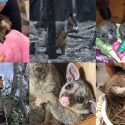
  • Your donations will allow the Wildcare association to continue to feed and water animals surviving in devastated areas, for as long as necessary. Volunteers distribute fruit and vegetables to wildlife in distress over vast areas. But they were desperate to be able to continue their action because of the enormous cost of such a large amount of food (even bought in bulk at the best price), as well as the cost of gasoline to cover so many kilometres. Now the team has no obstacles in dealing with lonely animals, including the smallest of them. Baby kangaroos, koalas and orphaned possums receive special care. They are placed securely in cosy pouches or incubators and benefit from milk-based preparations.
  • The bats – largely forgotten in the list of victims and yet terribly affected by the fires – are treated at the Shoalheaven Bat Clinic. With great ingenuity, this small association has succeeded in creating an extraordinary place to take care of them. Thanks to you, a second aviary will be able to be built and accommodate other babies in distress.
  • Geco volunteers intervened after the forest fires, to preserve any form of life that remains there. They take care of damaged trees and flora as much as the animals that depend on them. Your help is of great importance to them in carrying out this titanic work.
  • At Vets for Compassion, volunteer veterinarians and their teams go to the scene of fires, in fact as close as possible to the animals’ bedside, and thanks to your donations, with food and especially renewed medical supplies and equipment.
  • The funds allocated to the Wildlife Rescue South Coast association will enable it to help rebuild the nurseries as well as the reception and convalescent places destroyed in the bush for injured and burned animals.
  • Wires and Animals Australia are two large associations which redistribute funds to small structures they know.

A Colossal Task

We are very moved and happy to have been able to release a global aid of 78,000 € and to rescue, thanks to you, these beings who have lived through hell! We do not forget their fellows having perished in the flames, these images of panicked kangaroos trying in vain to flee, of surrounded koalas, in despair, resigned to the bite of the fire, of all these asphyxiated and burned animals … The disaster and the sorrows are immense, but we know that thanks to the heart felt generosity that we share with you, millions of beings have been, or will be, saved. While their native land is still consumed and their situation is far from being stabilized, we remain mobilized and we know you are by our side.

Léa has left us

Léa has left us

Léa has left us
06.03.2020
France
Léa has left us
Domestic animals

Léa, this sweet dog that we have followed since 2016 after she endured the worst abuse, has passed away … in peace. Surrounded by the infinite love of her foster family, she will have tasted the joy of living for more than four years.

Lysiane and Philippe are upset. They feel a terrible void since the disappearance of Léa, the pretty dog they had taken in after her ordeal. Extremely strong ties were forged between them and the former animal that had suffered in the hands of a Zoophilic, whom we managed to have imprisoned in 2016.

Terrible loss

The couple wrote us a poignant testimony. Of course, they knew the history of this female, the ignominy she had suffered, her heart weakness. But, even with the heightened awareness that it would not be eternal, the mourning her death turns out to be very difficult: “Léa had taken a place that we would never have suspected, on October 30th, 2015, when, becoming a family of welcome, she had entered into our lives.  »

Four years of happiness

It was with immense generosity that these benevolent humans opened their doors to the unfortunate female. We offered them to take charge of Léa’s behavioural support in order to help her rebuild. We followed her closely, also assuming the heavy treatments she needed. Her heart had suffered badly from past assaults … Yet, surrounded by love and patience, she had managed to gradually heal the physical and psychological traumas of her previous existence. An intelligent and sensitive little dog, she had known how to put aside her sufferings to adopt her human companions « in a sharing relationship and bearer of immense joys ». Thanks to them, she was able to enjoy many pleasures. She loved the seaside in particular, « demanding with great vigor to feel the sand under her paws and the great outdoors to finally breathe freely ». But it was above all the presence of those close to her, the many hugs and the attentions that filled her.


United forever

Lysiane and Philippe’s unwavering presence at her side, endless games with Axel, the other dog in the household, enabled Léa to rediscover carefreeness and a communicative desire to live. Today, as the fatigue finally prevails, we share in the grief of his family. But we must keep the flame that inhabited her in our hearts and think about the wonderful years she has had with her owners. She will shine forever.

Fenia : and so it goes on!

Fenia : and so it goes on!

Fenia : and so it goes on!
05.03.2020
Russia
Fenia : and so it goes on!
Wildlife

From an early age, Fenia has suffered violent blows from fate and especially violence from humans. This young Russian bear has experienced life at its worst: the murder of her mother, captivity, abandonment, straying … Fortunately, good fairies fought to reverse this fate. And we are!

It is often said that fate hangs by a thread. Fenia’s was very defiantly hanging by a very thin thread indeed. This young bear would probably not be of this world if two hikers had not saved her. She was indeed chained to a tree deep in a forest in the Altai massif, in southwestern Siberia, when two women discovered her in 2016. Petrified and starving, Fenia was plunged into an indescribable hell and distress. What had happened to her that caused her to find herself trapped and completely isolated? As soon as they were contacted, the police tried to understand the origin of her tragedy. Investigations revealed that the bear cub first had to deal with the death of her mother, killed by poachers. Then it had fallen into the hands of a photographer, only because it was a cute furry bear cub… And then, the baby growing and becoming bulky, the man had ended up getting rid of his toy and abandoning it in the worst kind of conditions …

A wandering road

Supported by Baltic Animal Care, a local animal protection association, with which we had worked during our infiltration of dog training centres to kill foxes, bears, etc., in Russia, Fenia was able to receive first aid and to be saved. But, to this day, this poor female has not yet experienced any real respite. Despite their constant mobilization, her benefactors have failed to provide her with a real home. Since 2016, the bear has been tossed about, by plane, by bus, between Saint Petersburg and Moscow … And from foundation to rehabilitation centre, from veterinary clinic to foster family, no one has been able or agreed to host her in good conditions, for lack of resources and / or space. A trail full of hope was emerging though, apparently, recently there is a sanctuary in Romania who is ready to receive her. Unfortunately, the Russian CITES has refused the export.

A roof for Fenia!

Overwhelmed by this series of disappointments, Baltic Animal Care alerted us to help Fenia. She is currently living in a makeshift shelter, in a centre normally dedicated to captive cubs still able to readjust to the natural environment. A prospect unfortunately unthinkable for Fenia, now too old and too imbued with humans to regain autonomy. On the other hand, she does need a proper enclosure, with enough space to roam around in safety. We therefore immediately responded and paid 7,000 euros to Baltic Animal Care to finance a large enclosure. We can’t wait for Fenia to finally feel at home there, at peace… And we’re happy to have helped to change her circumstances!

Rapport de notre enquête sur le combat d’animaux sauvages et de chiens en Russie

Figures that kill…

Figures that kill…

Figures that kill…
17.02.2020
Europe
Figures that kill…
Animal testing

European statistics on animal experiments were made official on 5th February by a report from the Commission1, the last of its kind. The report was presented to elected representatives of the European Parliament. Six documents, thousands of pages of vast intrigue from which the animals are the losers. This is all but a smoke screen to hide more than 22 million animal victims in European laboratories!

Official figures from Brussels, compiling data from the 28 Member States in 2017, tell us less than 10 million victims in European laboratories, 9.58 million precisely.

We put it bluntly: this is a truncated, cosmetic vision, which does not take into account all the animals used directly or indirectly for scientific purposes! The symbolic bar of 10 million (they were 11.5 million in 2013) of animals used in various procedures was artificially obtained, because from this total all genetically modified animals, presented separately, and all animals reused several times. But not only…

Experiments carried out on foetal forms are not taken into account either, although the European Directive includes them in its boundaries². Animals killed to harvest organs and tissues, which are widely used in in vitro research, are also excluded. Yet all of them feel anguish and pain, and remain full victims, don’t they?

And above all we forget a terrible figure, noted by scientists from the ECEAE, the European coalition that One Voice represents in France: some 12.6 million animals raised in the laboratories of the Union die or are euthanized without even having been « experimented on » because they are too old, too sick or simply useless.

How to play with the data…

By dint of statistical restatements and changes in scope, today in Europe as yesterday in France, comparisons are impossible, the reality is hidden.

A European regulation(3) introduced in June 2019 thus changed the standards for collecting national statistics. As a result, it is at best the end of 2022 that we will have consolidated figures in the new European format. They will be incomparable to those of previous years and perhaps by then a new boundary will confuse the old figures with the current ones, and the future ones. This game of three card brag can continue to envy in order to make the practices illegible for the citizens …

Animals suffer more!

Any other bad news? Certainly! The proportion of animals reused in several consecutive experiments, the worst nightmare, remains stable (2%). We also see the level of suffering inflicted in laboratories increasing: the so-called procedures without awakening or with severe pain, the highest level, increased by 3% between 2016 and 2017. 17% of animals tested in European laboratories are subjected to these procedures to irreversible damage. That’s huge, 429,000 animals in France alone in 2017!

Animals therefore remain the cannon fodder for « fundamental » research or applied to disorders or diagnoses intended for humans (while 90% of the results obtained by animal experiments are, in fact, not transposable to our medicine), or for tests on the toxicity of commercial products which involve lethal methods in more than one in three cases.

In France, the third most killer country in Europe, just behind the United Kingdom and Germany, 126 ethics committees are keeping an eye on the grain and spreading the message of increased respect for animals. The proof: Brussels notes, however, that in 2017, none of the 3,708 research projects submitted in France to ethical committees was refused. What doubts the vigilance of these committees, which often operate behind closed doors without respecting the rules of representation of members of civil societies in their debates.

An unbearable deception!

Animal welfare being a value, that is enshrined in Article 13 of the Treaty on the Functioning of the European Union. Europe claims as a final objective « the total replacement of the procedures applied to live animals for scientific or educational purposes », but specifies: « when it will be scientifically possible ». At the same time, the Commission slashed the budget of the only European body responsible for promoting alternative methods … So, let’s not be surprised if the figures are disappointing, and especially if the method used reveals just a facade, behind which the worst horrors are endured purely for the profit of a system of killing.

Faced with a vast disinformation operation, and because we know the suffering at work in research structures or of their suppliers, such as in the case of the Mézilles dog farm, One Voice remains all the more mobilized on this black issue, called animal experimentation!

https://ec.europa.eu/info/sites/info/files/com-2020-16-f1-en-main-part-1.pdf
2 Directive 2010/63/EU
Règlement (EU) 2019/10102, OJ L 170, 25.6.2019, p. 115–127
4 L’EURL ECVAM avait un budget de 8 millions d’euros en 2016, de 6,5 millions en 2017…

Sixteen dogs miraculously saved from the clutches of a mistreating hunter from Perigord

Sixteen dogs miraculously saved from the clutches of a mistreating hunter from Perigord

Sixteen dogs miraculously saved from the clutches of a mistreating hunter from Perigord
14.02.2020
Périgord
Sixteen dogs miraculously saved from the clutches of a mistreating hunter from Perigord
Domestic animals

After our investigation and the dissemination of our successive images on the deleterious conditions of dogs detained at Richard Mandrals place, a hunter based in the Dordogne. We were able after taking legal action to force the Prefect to act, we were then allowed to save sixteen of them.

They are called Heroes, Ondine, Inano, Xena, Léonie, Plume, Rosalie, Mimi, Freya, Napoleon, Ido, Hiti and Gascogne. There are also three puppies that Richard Mandral didn’t even bother to name, care for or identify, we called them Theo, Lina and Axel. They are dogs and bitches who, unlike their comrades who stayed with the hunter, have the chance to find a loving home, a warm family, who will not treat them like machines, some for hunting and others for breeding.

Thursday February 6th 2020, the hunter gave up these unfortunate sixteen, under the eyes of the DDSCPP. Our relentless checking and follow-up had increased the pressure, and they had to keep their commitments to the judge.

Each dog was installed in a transport crate, after the very natural first worry, most of them fell asleep, those who had never known the reassuring and soft sensation of a warm blanket under their aching bodies…

After a few hours of travel, they were all taken to vets. The accounts are unequivocal: worms, fleas, ticks, nodules, lesions, conjunctivitis, dental abscesses, ear infections, bedsores, mastitis, vulvar oedemas, hernias, lameness, etc. How long have they lived with a stomach ache? With painful paws, eyes, teeth and ears? How much pain is still going through those who have not yet been saved?

«The result is a threat to the life of these animals, because some of these pathologies (parasitism, infections, uncontrolled reproduction, etc.) can lead to serious general disorders, which can possibly lead to death.»

Extract from the veterinarian’s certificate

Then, it was the discovery of loving, warm people. They savoured the first real caresses, felt the fresh grass under their paws, they who for the most part had known only the law of the strongest to survive … They began their treatments, and the puppies, of which we did not know if they would survive, are already in better shape.

Obviously, this is not the case for all of these dogs who are on the verge of thinness with cachexia, and some have serious health problems resulting from obvious carelessness. When we know that for the DDCSPP, there is « no reason » to remove all of its animals from this hunter, it has shocked us. Many of them are not identified, some do not even belong to him!

We are going to need you to rehouse these large dogs who are waiting for a loving home to flourish, and long daily walks to discover a taste for life, as well as the comfort that should have been offered to them in the past. About seventy-five dogs are still there, we will do everything so that they are saved in turn. As for this hunter without conscience and the authorities who have lets this happen, we will not stop there.

In the case of “hunting” dogs, who are they kidding?

In the case of « hunting » dogs, who are they kidding?

In the case of “hunting” dogs, who are they kidding?
13.02.2020
In the case of “hunting” dogs, who are they kidding?
Domestic animals

Inspection after inspection at the home of a Dordogne hunter, the reports written for the prefecture are worse than the previous ones. However, the Prefect refuses to impose measures that would allow the dogs to benefit from appropriate care. We lodged a summary of complaints with the administrative tribunal of Bordeaux. Once again, the Prefecture of Dordogne has been seeking to counter us instead of putting the interest of the animals into the foreground. These animals are in obvious suffering at the home of Richard Mandral. But exactly as for Bony and Glasha, as soon as our summary was filed, the Prefect ordered measures, and therefore the court rejected our requests pending the application of Prefectural measures. We will see what happens after the deadline for the Prefectural decree, and we will not let go.

Inspections by the DDCSPP, the state veterinary services, at the Dordogne hunter’s home, concluded that the situation was worse than the previous one, and the prefect did not, however, order measures commensurate with the problem.

What pressures are at work? Those of hunters?

At this point, our images released months apart prove the situation is dire and the authorities are not doing anything tangible. Why do they prefer to protect the hunter rather than the dogs, who are clearly victims of mistreatment? For months, we have been investigating and broadcasting videos of the kennels of this Perigord hunter who breeds in total violation of the law, and in which the dogs do not benefit from care, are tied up or in large starving packs where the law of the fittest reigns.

We have provided the proof through the images of cannibalistic dogs, puppies, tethered adults, sick dogs and even abandoned corpses. However, for the authorities: « no reason » to take away all the hunter’s dogs. There is no emergency or abuse. A simple quota is enough. No coercive measures have been put in place to improve the situation! The inspections of the veterinary services of the Prefecture go in our direction, but the Prefecture refuses to take adequate measures for these dogs, which are nevertheless under its responsibility.

How far does the power of hunters extend in our country, those who make us live in many regions in areas of lawlessness? What makes these dogs so different that they are not protected like other dogs?

A situation that worsens from inspection to inspection without any consequences …

In June 2018, state services counted 112 dogs instead of the 45 authorized. The problem was not new … On this occasion, they mentioned the non-compliance of the conditions for storing food for dogs, protection against bad weather and excessive temperatures, as well as those of places of detention (the presence of old agricultural equipment that can cause injuries, animals injured or without care, lack of veterinary follow-up, unsuitable accommodation with dogs kept tethered outside all year round, etc.). And in the formal notice, the problems of identifying dogs, their watering, attacks between congeners, known as « hierarchical conflicts », are already mentioned …

Since then, inspections have followed one another and have shown that the condition of these animals is worsening without anything being put in place by the state to enforce the application of the regulations! Worse, he allowed the situation to escalate and left dogs suffering, at least one of whom has died.

«The administration therefore argues that it has not been inactive in this case and that it has carried out five inspections. However, these steps are the consequence of the complaints filed and the images published by the requesting association! Moreover, while non-conformities persist throughout inspections, no effective sanction has been taken for almost two years to protect dogs and stem births.»

Extract from the One Voice summary

Wild breeding and dog trafficking

The authorities hide behind the rustic appearance of the place, and the fact that they are « hunting dogs », but as our lawyer writes:

«There are no specific regulations for hunting dog packs. Therefore, it is the law concerning dogs that applies here, in other words that of pets of domestic species. No one can believe that Mr. Mandral’s 100 dogs, who is on his own to care for them, can receive the same attention and care, or that he hunts daily with such a large pack.»

All dogs – regardless of how humans use them – should receive the same care, protection, and respect! There, the holes dug in the ground by some dogs held in tether around their kennels testify to the restriction of their movements … The others get bitten in the common enclosures, and die there…

The summary judge refused to order the Dordogne prefecture to identify, withdraw and carry out a clinical assessment of the dogs held by this hunter, and to monitor the animals transferred to an animal protection association, pending the end the application of the prefecture’s measures. We will always be there after!

Our country must urgently turn the tide when it comes to animal welfare and the conditions in which they are kept. To note that there is a double standard between the so-called hunting dogs and the others in the eyes of the authorities is more than worrying. Turning a blind eye to the unhappiness of these poor sick animals is unacceptable. The neglect and rustic appearance of a property should not blind the authorities, let alone the judges! We will not let go, the dysfunctions in animal protection are alarming. The death and suffering of these poor dogs will not go unpunished.

It’s time for marine sanctuaries

It’s time for marine sanctuaries

It’s time for marine sanctuaries
05.02.2020
International
It’s time for marine sanctuaries
Exploitation for shows

Inexorably, the time for marine sanctuaries is coming. The Western public is gradually turning away from captive cetacean shows and dolphinarias will soon be forced to make the following choice: either deliver their last detainees to China or the Middle East, or entrust them to a sanctuary.

Some of these parks have also started their transformation by increasing the number of alternative attractions to dolphin exhibitions, by accepting the end of the reproduction of their orcas, or by moving towards supposedly « educational » presentations that do not fool anyone.

However, the future is already here, very real!

In Iceland, Little Gray and Little White, the two female belugas released from the Changfeng Oceanworld in Shanghai, are only waiting for spring to finally discover the icy waters of Klettsvik Bay, arranged for them by the Sea Life Trust, their legal owners.

In Canada, the Whale Sanctuary Project is preparing to open the first of its retreat locations in Nova Scotia.

In the heart of a closed bay sheltered from storms, the surface of which will exceed by more than 300 times that of a dolphinarium pool, orcas and belugas formerly prisoners will soon be able to find the ocean, dive into the depths and swim in living, natural water. Several similar sites are also planned in British Columbia and Washington State.

But to keep who?

Until now, no marine park in the United States or Canada has ever agreed to grant any retreat to its inmates gorged with antibiotics, painkillers and antidepressants. All died at an early age in their place of detention. « It would be irresponsible to risk the health of these magnificent animals by physically moving them into a dangerous experimental environment, » dares to assert SeaWorld, which calls the sanctuaries the scornful term « sea cages ».

Lori Marino, the neurobiologist who has been piloting the Whale Sanctuary Project since 2011 alongside other specialists and to whom we owe the first study on self-awareness in dolphins, remains confident:

«We expect SeaWorld and Ontario’s Marineland to eventually seize the full advantage of working with us. More and more people refuse to go to their live animal shows. It is not a question of closing these parks but of helping them to reconvert themselves by giving up cetaceans.»

Dr Spong isn’t giving up hope, either

For years, he has been planning a closed bay for the Corky Killer Whale at Double Bay, on Hanson Island, Canada, until SeaWorld finally decides to release it.

Paul Spong is a Cetologist who set up the OrcaLab research station not far from Vancouver to study the Northern Resident Killer Whale community, from which Corky was kidnapped. The 54-year-old is now the oldest captive orca in the world, but she could still live to 90 years, if not beyond. « She will swim again in the ocean water and her family will be able to come and visit her », assures Dr. Spong, who adds: « It can happen and I am convinced that it will happen ».

And in France?

For the moment, Parques Reunidos, which notably owns the Marineland in Antibes, would not consider any other solution for its orcas than to send them abroad. We know that the Spanish company continues its international expansion thanks to an agreement concluded with Harves Century Group for the development of future theme parks in China and Vietnam. In particular, it is participating in the construction of a gigantic dolphinarium on the Chinese island of Hainan, which will soon need many killer whales, dolphins and beluga whales to furnish its pools. And at this point, of course, ethics no longer have their place, nor concern for animal welfare, let alone the idea of a sanctuary. There is no longer anything but the sole search for profit.

But Marineland will have to hear him if it wants to say something and become prosperous again: for Wikie, Inouk, Keijo and Moana too, the time for marine sanctuaries has indeed come … Sign our petition to save our orcas.

Behind the brambles and the brick walls, there are nine tigers

Behind the brambles and the brick walls, there are nine tigers

Behind the brambles and the brick walls, there are nine tigers
30.01.2020
Picardie
Behind the brambles and the brick walls, there are nine tigers
Exploitation for shows

For over a year now we have been investigating these tigers, held by circus trainer Mario Masson. A stone’s throw away from the amusement parks of Saint Paul and Saint Léger, between the four walls of an abandoned factory in Picardy, we discovered that the nine tigers were locked up all year round in a lorry cage. They have no real protection against bad weather, with barely enough room to go around in circles. We are pressing charges against this trainer who has already been in trouble with the law.

For over a year our investigators have been monitoring the tigers of Mario Masson. Barricaded in the heart of a village, behind the thick protection of brambles growing over large brick walls that run along a national road. The trainer protects his tools of work from view. Behind a used car for sale business, the nine tigers that serve as his livelihood are pacing around, locked in a lorry cage, whether it is raining, windy or in temperatures where the thermometer reads 40 degrees Celsius. Sultan, Begel, Junior, Hashley, Tara, Ima, Houna, Hister and another whose name we don’t know. Very rarely are they allowed outside of their cages and when they are it’s to obey and undergo a life of stress under the threat of the whip.

Abused from birth

At the Saint Paul amusement park Mario Masson shows off his trained tigers, then offers spectators to hold a baby tiger in their arms while being photographed, all with cash subsidies. The show is accompanied by a speech that is only propaganda against those who defend wild animals that are exploited by circuses.

All these tigers were born in captivity and were then torn from their mother at an early age. They are the subject of wild genetic experiments to obtain inbred individuals with coats of white or orange with ochre stripes, deformations and with notorious genetic diseases. In addition to this the potential underlying traffic of lion cubs and tigers it allows the working season to gain access to young cubs, available at any time. Their manipulation by humans is nothing more than mistreatment. We have publicly denounced these acts – common in this environment – and attacked the park, as well as more recently the ministerial decree on captive wild life and facilitating unsupervised farming.

Locked up all year round …

This summer these nine adult tiger products have appeared six times in public within four days during the circus festival, daily life couldn’t be less rosy. We are revealing today the reality of their daily lives: they are locked up all year round, except on the rare occasions for (shows, short films or photos in magazines) …

The winter quarters are just a name, our investigators have seen them on the spot each time they went there. Both in the hot summer, weather in the region of Picardy is changing and, in the fall, and winter when the cages are battered by the wind and the freezing rain during those wet and cold seasons. They were photographed and filmed locked inside these caged compartments which is no more than a heavy-duty trailer for up to six days in a row. During the six days the tigers were held in confinement and were filmed, they had but two brief periods where they were allowed out, this being observed and filmed under great risk…

Protected animals, in danger of extinction, here they are enslaved

No enrichment or stimulation is offered to these tigers to break the monotony of the passing hours. The (minimum) regulations require that they can stretch their legs daily in an exercise space, which is the approximate size of a circus ring and that they have access to a swimming pool. Once again, all this was absent. At most, they change compartments when their litter is cleaned.

Female or male, in the wild each would reign over a territory of several thousand hectares of tropical jungle … Here, only Sultan benefits from an individual cage (but without a roof!). The others are crammed in four by four. They who enjoy independence more than anything, are more stressed than ever, enslaved and forced to live with their fellow tigers, under the eyes of their jailers. In the evening, they have to fight to get their food, water which is vital, is only distributed to them sparingly. Then, the walls of the truck are closed, this is their misfortune, the truck becomes a dark box…

For these reasons and in addition to recording such revolting images of these nine convicts locked up day and night and then made available to the public, we are pressing charges for ill-treatment committed by a professional, placement or maintenance of a captive wild animal in a habitat, environment or installation can be cause of suffering, and irregular operation of establishment. We propose to take charge of these tigers and place them into one of the sanctuaries of which we are a partner.